
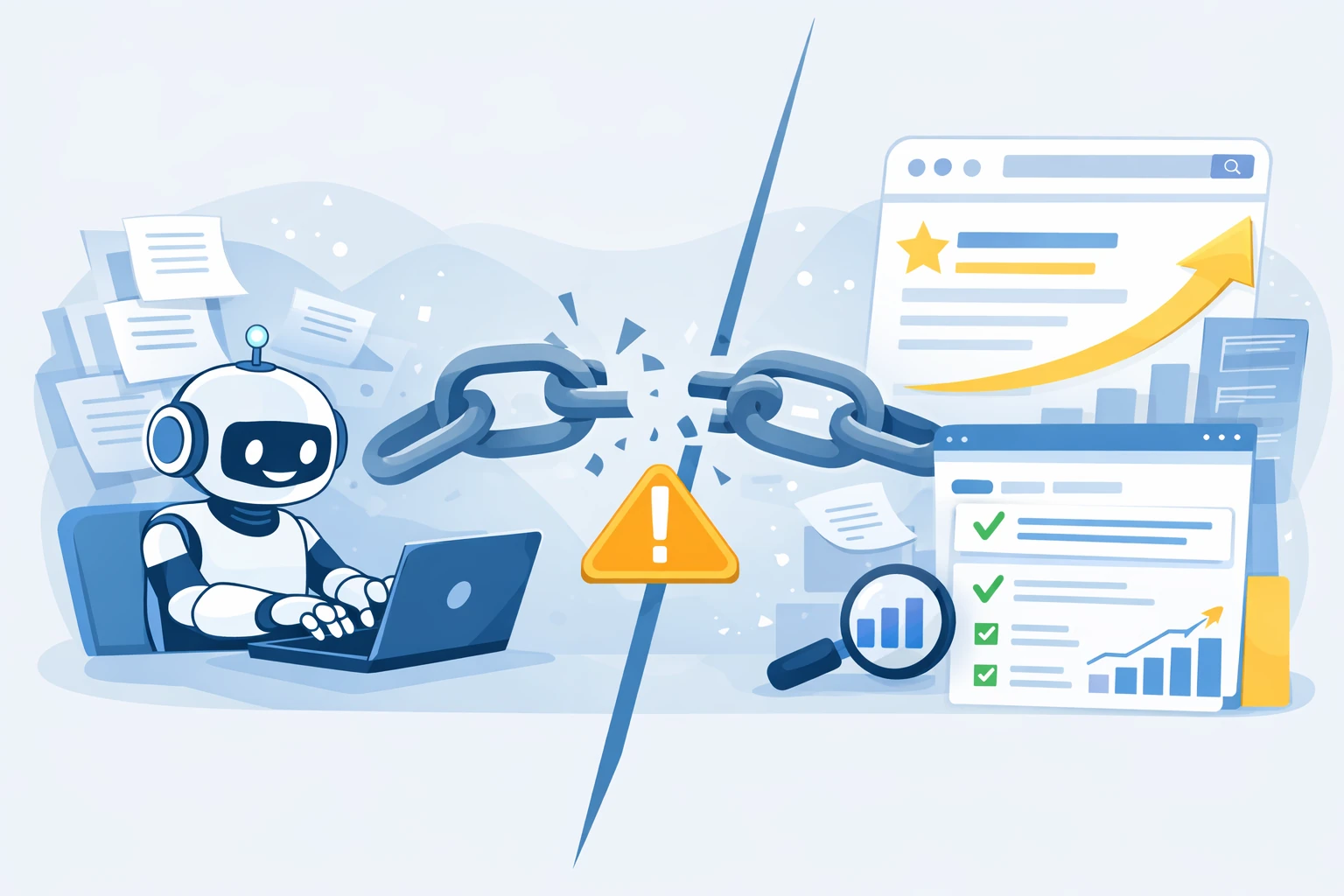
When an AI Writing Tool Is Enough — and When It Isn’t
When to use AI writing tools is a better question than “Can AI write everything for me now?” Most disappointment in this category starts with the wrong expectation. People do not always need a magical system that replaces the whole writing process. More often, they need help at one specific stage: getting from idea to draft, turning rough notes into something usable, tightening a messy section, or reshaping content faster than they can do manually every time.
Table of Contents
I think that is the more useful frame for buyers. Not whether AI writing tools are “good enough” in the abstract, but whether they are good enough for the exact part of the workflow that keeps slowing you down. If your bottleneck is first-draft momentum, the answer may be yes. If your bottleneck is SEO refinement, editorial judgment, or deciding what is actually worth publishing, the answer changes quickly.

This article is the realism layer in the AI Writing cluster. It is not here to sell the dream that one tool quietly replaces the whole content process. It is here to show where AI writing tools genuinely save time, where they fall short, and what kind of next step makes more sense after that.
When an AI writing tool is enough
An AI writing tool is often enough when the slowest part of your process is still the act of drafting. That could mean:
- you already know what you want to say, but getting the first version out is too slow
- your outline is fine, but turning it into readable sections takes too much effort
- you need help expanding notes, rough bullets, or weak paragraphs
- you want faster variations of the same idea without rebuilding from zero
- you need more momentum, not deeper strategy
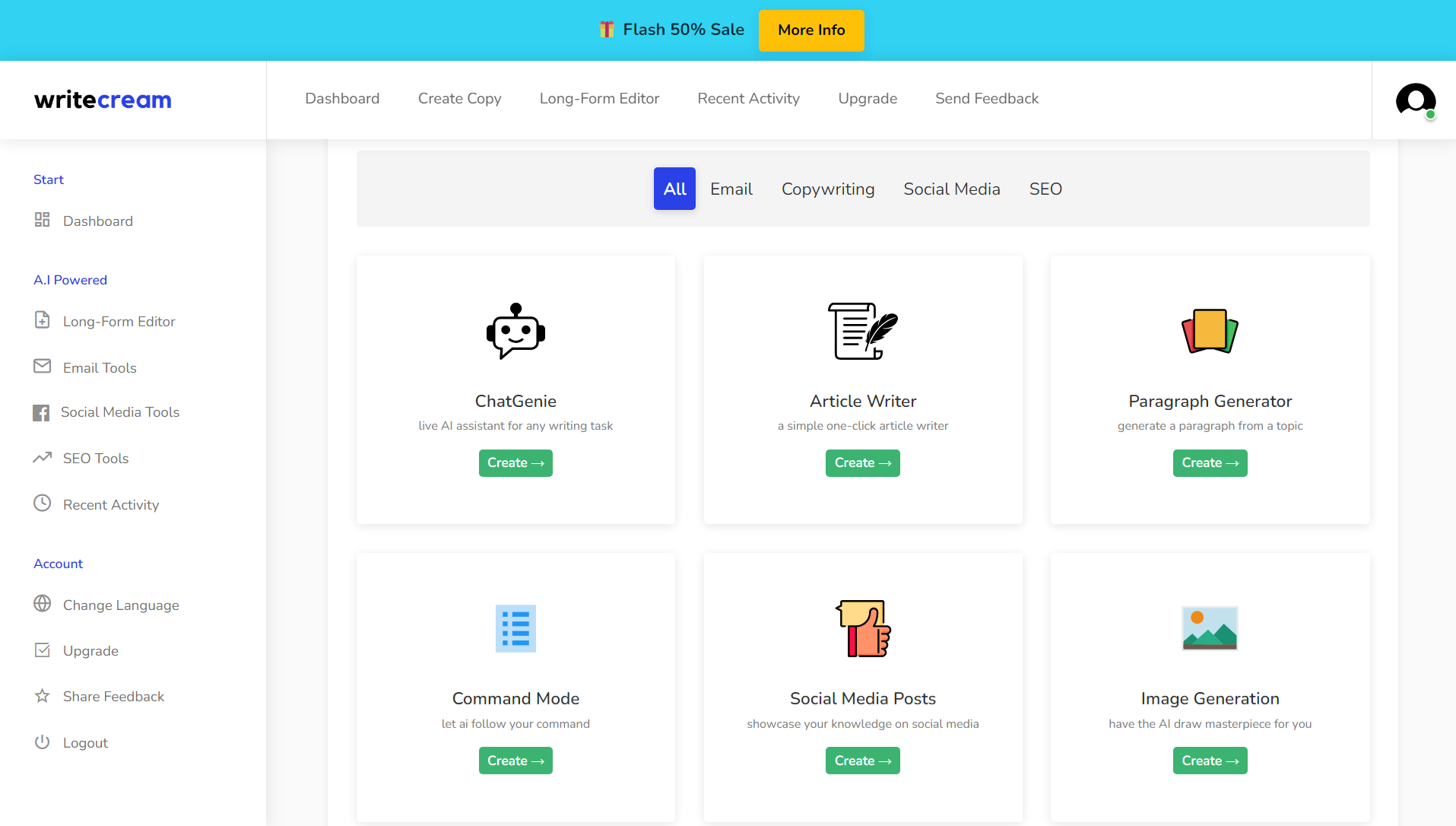
In those cases, AI writing tools can be genuinely useful. They reduce blank-page friction. They help you get to a draft worth editing. They make the first pass less painful. And for many users, that is enough value on its own.
This is where tools like Rytr or Writecream can make immediate sense. They are often most helpful not because they replace the whole writing job, but because they remove the slowest and most repetitive part of getting started.
When an AI writing tool is not enough
An AI writing tool is usually not enough when your bottleneck is no longer drafting. Once the content exists, a different set of problems tends to show up:
- the piece is written, but it still lacks editorial sharpness
- the argument or structure feels weak even if the draft is complete
- the content needs search-focused refinement, not more words
- the draft needs real judgment about tone, examples, positioning, or accuracy
- the workflow needs strategy, not just generation
That is the stage where people often overestimate what AI writing tools are supposed to do. They keep prompting harder when the real next step is editing, SEO refinement, or stronger human decision-making. That is not a failure of the tool. It is usually a workflow mismatch.
If the problem is optimization rather than drafting, the better next step is often the AI Writing Tools vs AI SEO Tools article, then the AI SEO hub.
Which workflow stage is actually slowing you down?
This is the practical version of the whole article. Ask yourself which stage is breaking most often:
1) Idea to outline

If you struggle to turn a rough thought into a structure, an AI writing tool may be enough. You do not necessarily need an SEO tool or a bigger system yet. You need drafting support.
2) Outline to first draft
This is where AI writing tools are often strongest. If the outline is ready but the article still feels heavy to write, a drafting tool can save meaningful time.
3) First draft to clean version
AI can still help here, but this is also the point where editing judgment matters much more. Rephrasing and cleanup are useful. Final quality is still rarely automatic.
4) Clean version to search-ready version
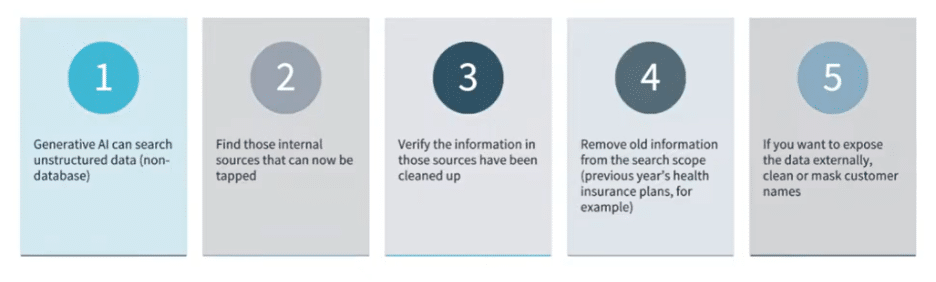
This is where AI writing tools start to be less sufficient on their own. The problem is no longer draft generation. It is refinement, search alignment, and often strategy.
5) One good asset into many assets
If the problem is repurposing more than drafting, then a broader content or social workflow tool may matter more than a plain writer. That is where tools closer to repurposing or publishing workflows start to make more sense.
Where different AI writing tools fit best
I would not pretend every AI writing tool belongs to the same lane. Even inside this cluster, the better fit changes depending on the workflow stage.
Rytr
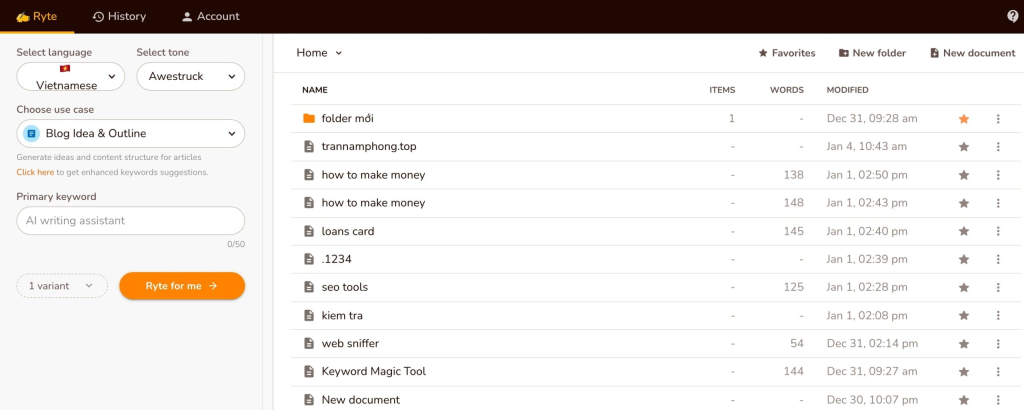
Rytr makes the most sense when you need lighter drafting support, faster variations, and lower-friction short-form or section-level writing. It is often enough when the problem is speed and blank-page resistance, not deeper structure.
Writecream
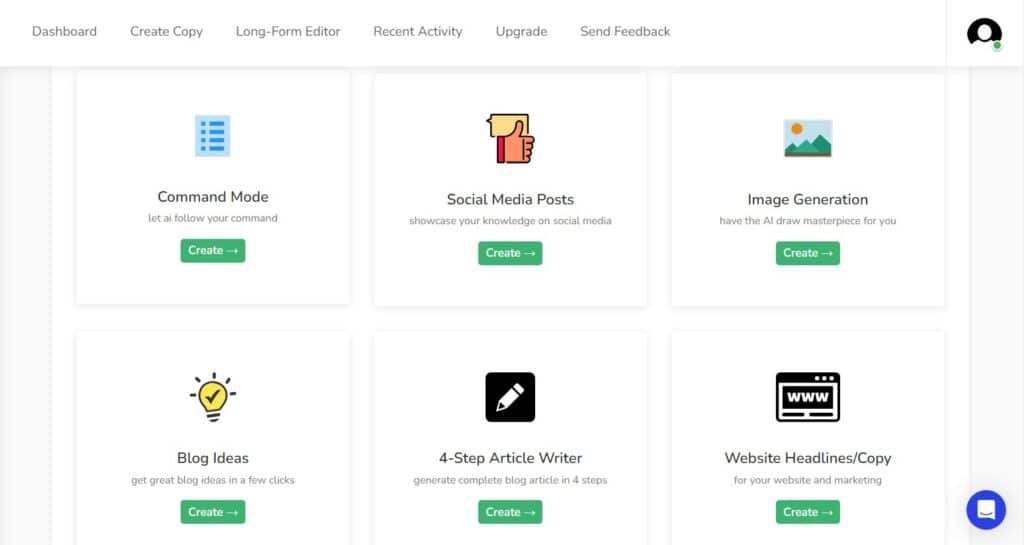
Writecream is easier to justify when your workload is broader and drafting sits alongside product copy, blog articles, and other content tasks. It is often enough when you want one wider tool for several content-generation jobs, not just a very narrow writer.
Jenni AI
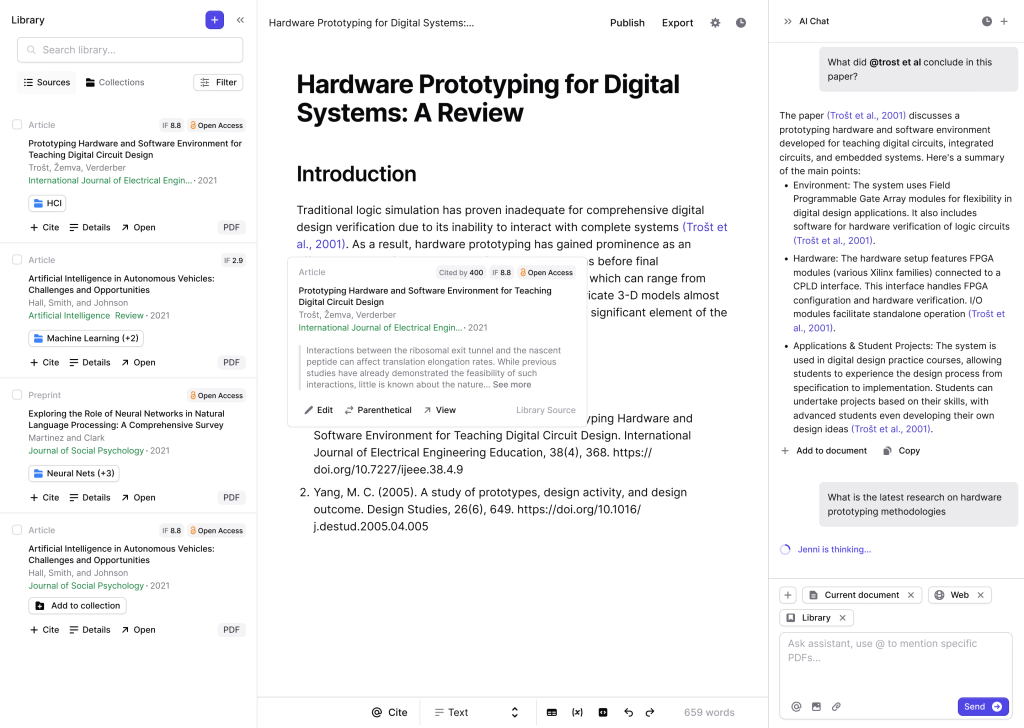
Jenni AI fits better when the drafting process is research-aware, structure-heavy, or citation-sensitive. It is more likely to feel “enough” when the real problem is building a serious long-form draft from notes, sources, and references. Learn more Jenni AI
GravityWrite
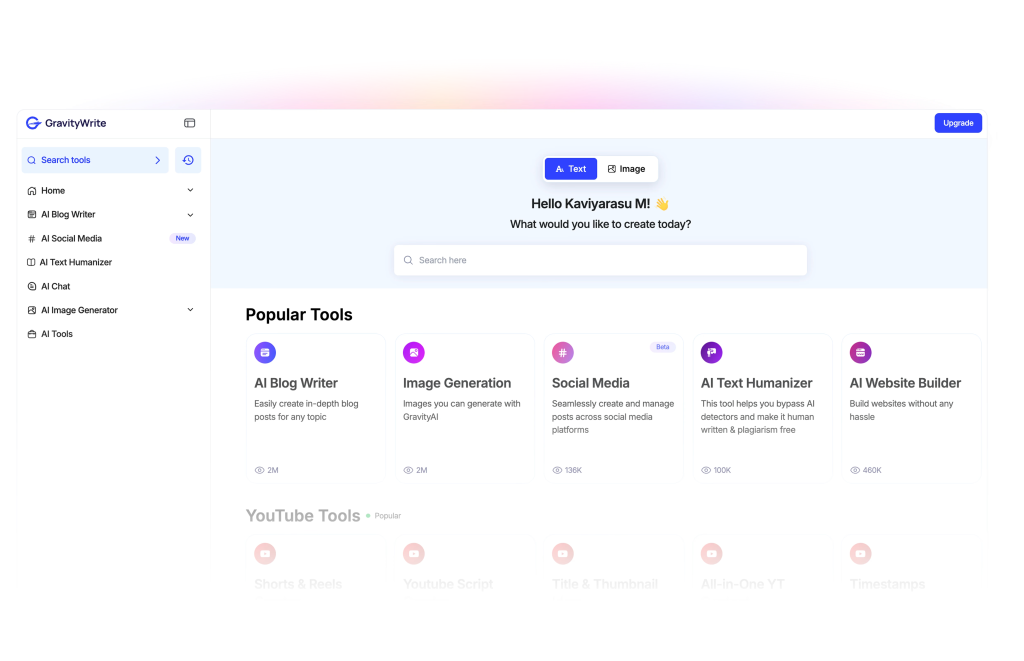
GravityWrite becomes more useful when writing sits inside a larger content workflow around blogs, SEO-oriented content, product descriptions, or broader content production. It may not be “enough” if you expect it to solve strategy, but it can be enough for a wider production layer than a simple writer.
Ocoya
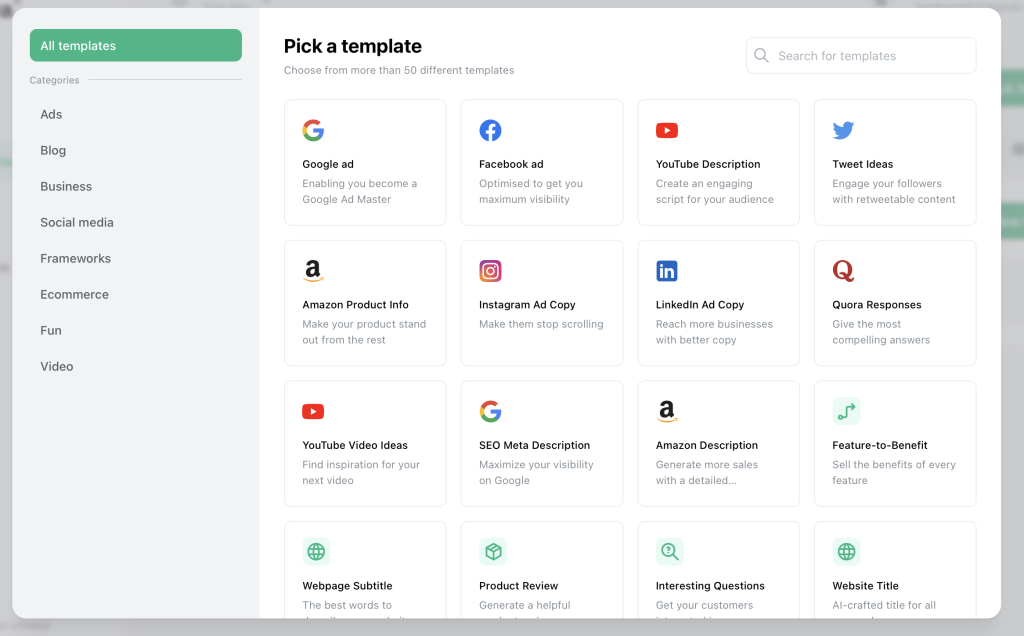
Ocoya is the better fit when the real need is not just writing, but social content creation connected to scheduling and automation. In that case, the writing tool is not enough by itself because the workflow already includes publishing.
One honest rule that saves a lot of bad purchases
Buy for the stage that is actually broken, not the stage you imagine you might need six months from now.
I think this rule fixes a surprising amount of confusion. People often buy broader tools too early because they want to feel future-proof. Or they buy a lighter writing tool and expect it to cover editing, SEO, repurposing, and strategy all at once. Both mistakes come from buying for a vague future instead of a real present bottleneck.
If your process is still stuck at drafting, solve drafting first. If drafting is already fine, stop buying more drafting help and solve the later-stage problem instead.
When human judgment is still the real bottleneck
This is the part a lot of software pages do not say clearly enough: sometimes the problem is no longer writing speed. Sometimes the real bottleneck is judgment.
You still have to decide:
- which angle is worth publishing
- which claim feels too soft or too inflated
- which example is actually persuasive
- which section should be cut instead of expanded
- which piece belongs in your strategy at all
AI writing tools do not remove those decisions. At best, they help you reach the decision point faster. That is still valuable. It is just not the same as replacing the process.
Watch one grounded decision-framework example
A short workflow-style video is often more useful than another giant roundup. You can usually tell pretty quickly whether the tool is helping with drafting, or whether the next bottleneck is already somewhere else.
What to do next
If this article clarified where your actual bottleneck is, the next step should be smaller than most people think.
- If your problem is still drafting, go to Best AI Writing Tools.
- If your problem is blog structure and first drafts, read Best AI Writing Tools for Blog Drafting.
- If your problem is category confusion, go to AI Writing Tools vs AI SEO Tools.
- If your problem is that you keep buying the wrong kind of help, read Common Mistakes When Choosing AI Writing Tools.
- If you want the broader map, return to the AI Writing hub.
The goal is not to buy the most advanced tool. The goal is to remove the right bottleneck first.
FAQ
When are AI writing tools enough?
They are often enough when the main problem is drafting, outline expansion, rewriting, or getting to a usable first version faster.
When do AI writing tools fall short?
They usually fall short when the real bottleneck is strategy, SEO refinement, editorial judgment, or deciding what is worth publishing in the first place.
Can an AI writing tool replace editing?
Not really. It can reduce the work before editing, but editing still matters because it depends on judgment, structure, and quality decisions.
Do I need an AI SEO tool as well?
Maybe. If drafting is no longer the slow part and optimization is, then an AI SEO tool may be the more logical next layer.
What is the safest way to choose?
Choose based on the stage that is actually slowing you down right now, not the stage you imagine you might need later.
Final takeaway
AI writing tools are enough more often than hype makes it sound — but only when you ask them to solve the right problem. They are strongest when the bottleneck is drafting, expansion, and momentum. They are weaker when the bottleneck is search optimization, editorial judgment, or strategy.
If you want the cleaner next step, start where your workflow is actually broken: Best AI Writing Tools, Best AI Writing Tools for Blog Drafting, AI Writing Tools vs AI SEO Tools, or the broader AI Writing hub.
PromoCodeRadar helps users find cleaner coupon codes, official deals, annual billing savings, free trials, and better ways to save on software, AI tools, and online services.
If you found a broken code or outdated listing, contact us at contact@promocoderadar.com.