

Best AI Writing Tools for Beginners
Best AI writing tools for beginners are usually not the most advanced tools on the market. They are the ones that help you get useful output quickly, without making you feel like you need a second course just to write a decent paragraph. That is the real filter for this page.
A lot of first-time buyers make the same mistake: they assume the “best” tool must also be the smartest, broadest, or most feature-packed. In practice, beginners usually do better with a tool that is easier to learn, easier to trust, and easier to use consistently. A smaller win used often is better than a bigger platform you keep avoiding.
Table of Contents
This guide focuses on four mapped tools that make sense for beginner-level comparison: Rytr, GravityWrite, Writecream, and Jenni AI. If you want the broader category first, start with Best AI Writing Tools.
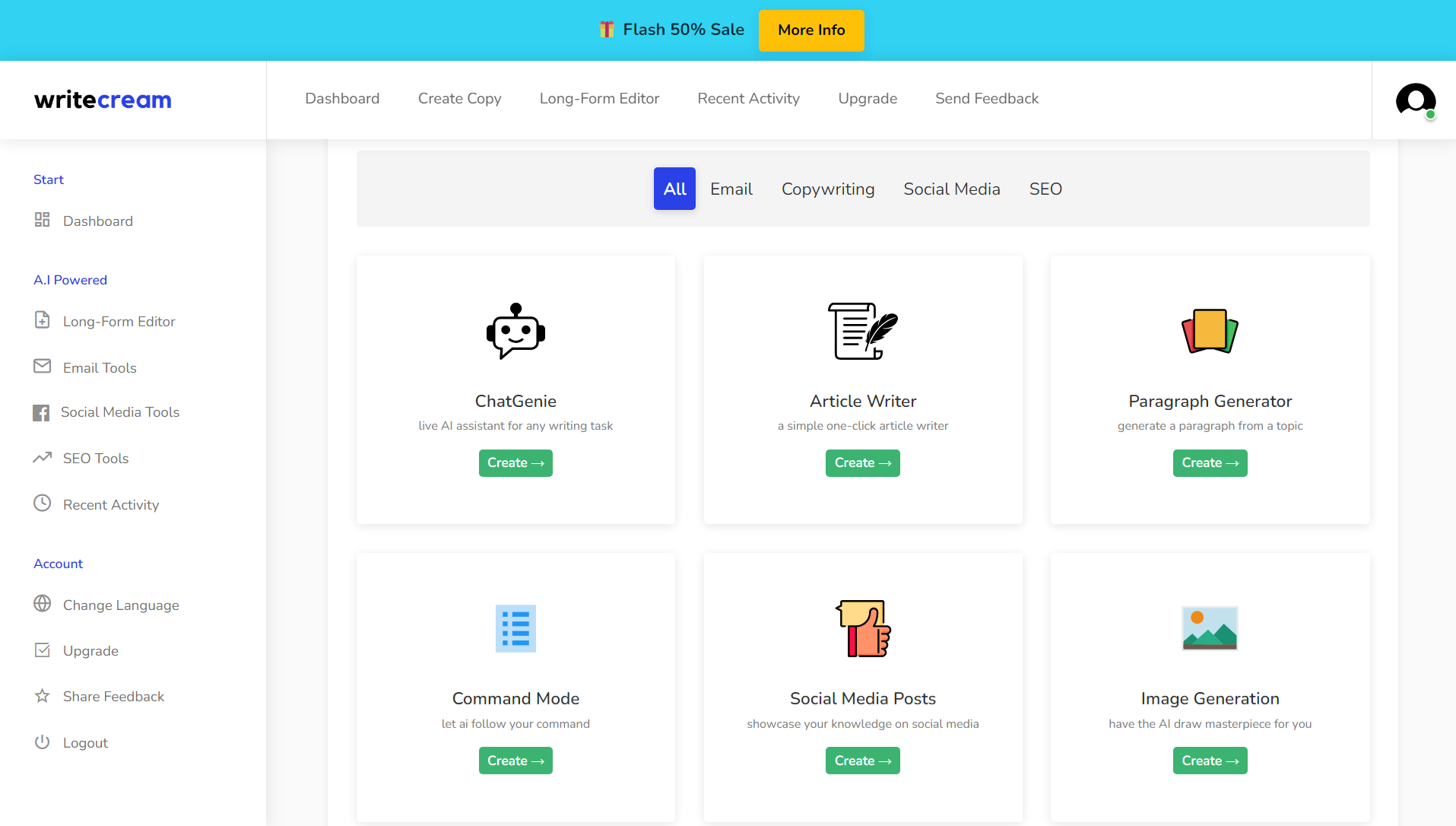
What makes an AI writing tool beginner-friendly?
For beginners, the biggest problem is usually not raw AI quality. It is friction. If a tool gives you too many options, too much setup, or too much prompt dependence too early, you can end up blaming yourself when the real issue is product fit.
So for this article, I used five simple filters:
- Easy setup: you can start fast without a long learning phase
- Clear interface: the editor and workflow make sense quickly
- Helpful templates: you do not need to invent every prompt from scratch
- Low prompt dependency: the tool still helps even if you are not great at prompting
- Good entry-level value: the price only makes sense if the beginner can actually use the features
That is why “beginner-friendly” and “best overall” are not the same category. A tool can be powerful and still be the wrong first tool. This is one reason I would read this page alongside How to Choose an AI Writing Tool instead of treating beginner advice like a final answer for every workflow.
Quick picks for beginners
Best overall for beginners: Rytr
Rytr is the easiest starting point for many first-time buyers because it keeps the path from idea to output relatively simple. If your goal is quick marketing copy, captions, short paragraphs, email drafts, or basic content help, it often feels easier to understand than broader platforms.
Best if you want room to grow: Writecream
Writecream is broader than a pure beginner tool, but it still makes sense for new users who know they will need more than one content format. Blog content, outreach, marketing copy, visuals, and voice-oriented features all sit closer together in one platform.
Best for structured drafting: Jenni AI
Jenni AI is not the easiest first tool for every beginner, but it becomes more attractive when the beginner is writing essays, research-backed drafts, or source-heavy content instead of simple promotional copy.
Best for broader content workflows: GravityWrite
GravityWrite fits better when the beginner wants more than plain text generation and expects a wider content workflow around blog writing and related creative tasks.
Quick comparison table
| Tool | Best for | Why beginners may like it | Watch out for |
|---|---|---|---|
| Rytr | Easy entry | Fast setup, simple templates, lighter learning curve | May feel limited if your workflow gets more advanced |
| Writecream | Broader beginner workflow | More content use cases in one platform | Can be more than some beginners actually need |
| Jenni AI | Structured writing | Stronger fit for research-backed drafting and citations | Less ideal if you only need fast short-form copy |
| GravityWrite | Content expansion | Useful when a beginner wants a wider content creation workflow | Can feel broader than necessary for a very simple use case |
Best AI writing tools for beginners, explained
1) Rytr
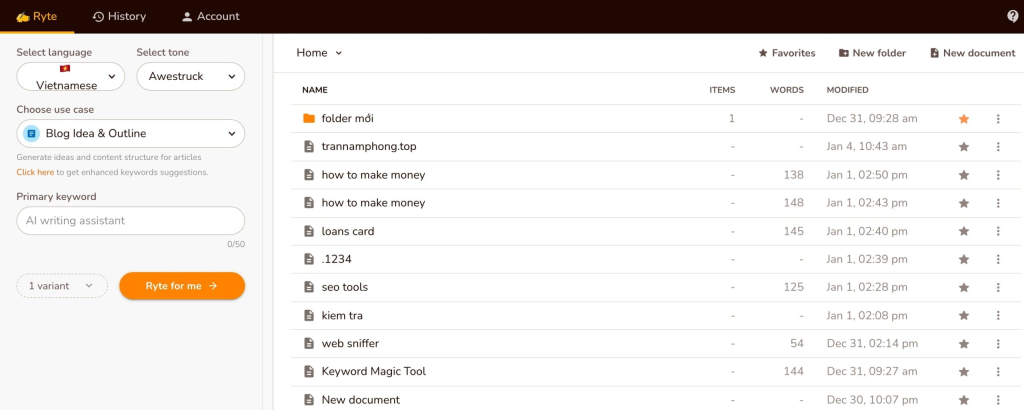
Rytr is the most straightforward beginner recommendation in this group. The main reason is not hype. It is that the value proposition is easy to understand. You open the tool, pick a use case, choose a tone, add a short input, and get something workable back fairly quickly. For a beginner, that matters more than having a giant platform map full of features you are not ready to use yet.
I would place Rytr first for people who mainly need help with day-to-day short-form writing: CTAs, product descriptions, captions, email drafts, quick intros, short blog sections, and similar tasks. It reduces the fear of the blank page without forcing you to become a prompt engineer first.
- Best for: first-time buyers, non-technical users, short-form writing
- Main strength: low learning curve
- Skip it if: you need a research-first or academic-first writing workflow
Open the Rytr store page if this sounds like your kind of starting point.
2) Writecream
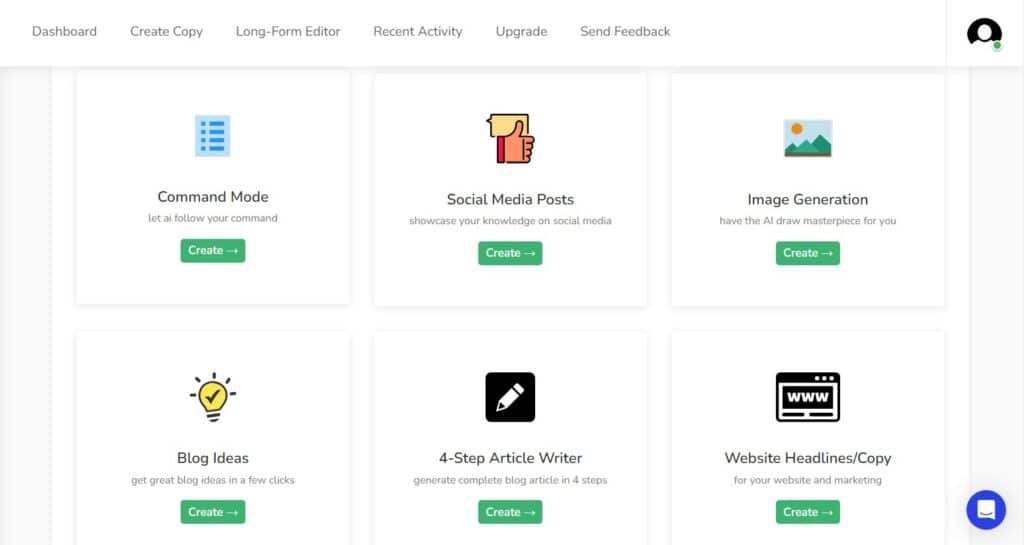
Writecream is the tool I would move to if a beginner already knows they want more range. Maybe not just simple copy, but also blog drafts, outreach, social content, visuals, or voice-related content tasks. That breadth makes it appealing, but it also means it is slightly less “simple first step” than Rytr.
The upside is obvious: you are less likely to outgrow it quickly if your workflow expands. The downside is also obvious: some beginners buy breadth when they really only needed clarity. If your current workload is still small and repetitive, more features are not automatically more helpful.
- Best for: beginners with mixed content tasks
- Main strength: wider content coverage
- Skip it if: you want the simplest possible first tool
Open the Writecream store page for the current deal and platform overview.
3) Jenni AI – AI writing tools for beginners
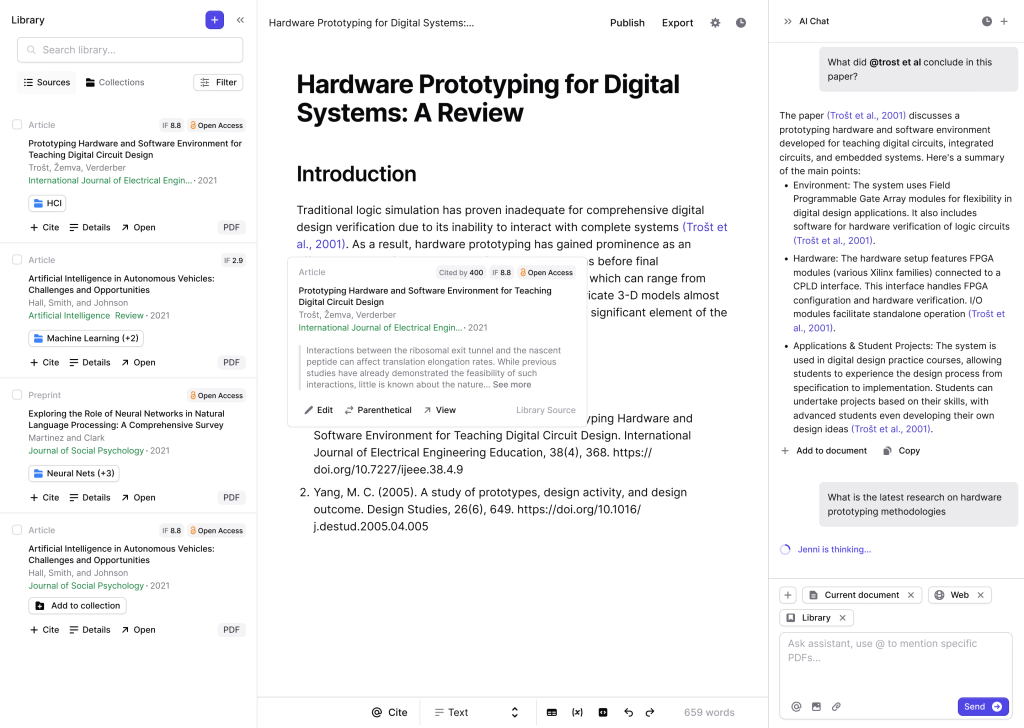
Jenni AI is a good reminder that not all beginners are the same. A beginner blogger and a beginner student do not need the same kind of help. If the beginner is writing essays, research summaries, structured drafts, or citation-aware content, Jenni AI starts to look much more relevant than a lightweight marketing-copy assistant.
I would not call Jenni the easiest recommendation for every first-time user. I would call it the smarter beginner choice for users whose writing process is more structured from the start. In that case, a tool built around research and academic support can actually feel clearer than a generic writer with lots of templates but no strong drafting structure.
- Best for: students, researchers, structure-first writers
- Main strength: research and citation-oriented drafting support
- Skip it if: you only need simple marketing copy or social captions
Open the Jenni AI store page if your workflow is closer to structured drafting than fast copy generation.
4) GravityWrite
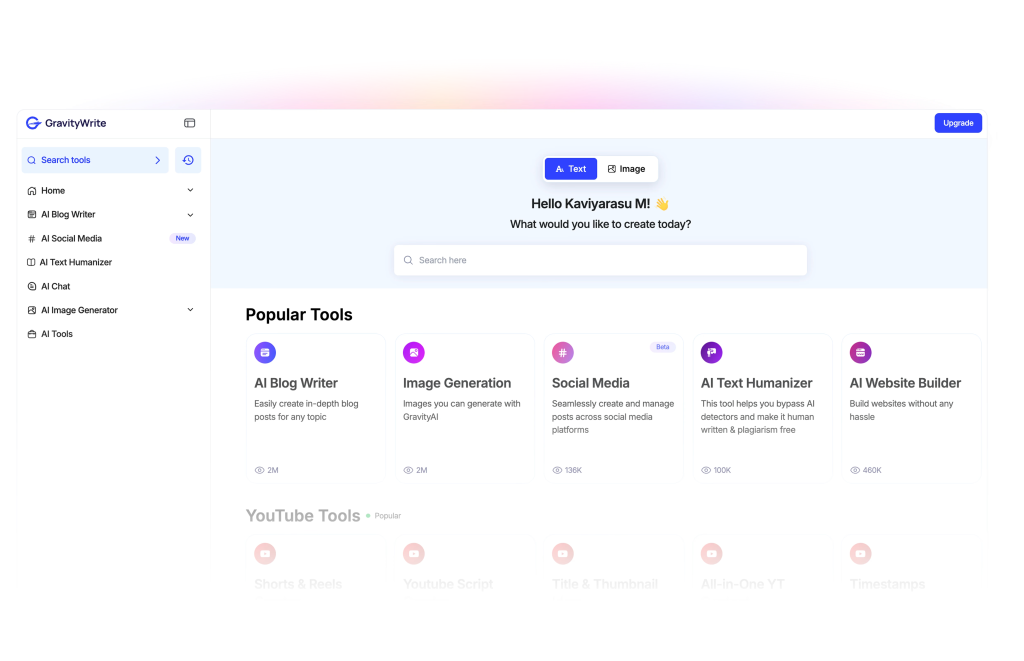
GravityWrite makes more sense when the beginner is not really looking for a tiny writing assistant. It is better for someone who wants a broader content toolset and sees AI writing as one part of a larger creative workflow. That can be useful for beginners who already know they will be writing blog posts, adapting content, and possibly expanding into other formats fairly early.
The trade-off is that broader platforms can feel like “too much tool” if your current need is just quick text help. So I would place GravityWrite behind Rytr for total simplicity, but ahead of more limited tools if you want a beginner-friendly platform with more room to stretch.
- Best for: beginners building a wider content workflow
- Main strength: broader content creation coverage
- Skip it if: you only need a lightweight copy assistant
Open the GravityWrite store page if you want more range than a simple starter tool.
How to pick the right beginner tool
Pick the simplest tool that still solves your real problem
This is the rule I would keep if I had to reduce the whole article to one line. Beginners often buy complexity too early. They assume the bigger platform is safer because it looks more future-proof. But a tool that is only “future-proof” is not always helpful in the first month.
Choose by learning curve, not just by features
If you are new to AI writing, a smoother learning curve is a real feature. It affects whether you use the tool enough to get value from it. Some people blame themselves when they struggle, but often the product fit is the actual problem.
Think about your main writing pattern
- If you write quick marketing copy, start with Rytr.
- If you want broader content coverage from day one, compare Writecream and GravityWrite.
- If your work is research-heavy or academic, Jenni AI is a better starting point than a generic copy tool.
If you are still unsure, the smartest next reads are How to Choose an AI Writing Tool and Common Mistakes When Choosing AI Writing Tools.
One honest warning about AI writing tools for beginners
No beginner tool removes the need for judgment. Even the easiest tools still need editing, trimming, and common sense. What they should do is shorten the path from idea to usable draft. That is a realistic expectation. Anything beyond that usually turns into disappointment fast.
FAQ
What is the best AI writing tool for beginners?
For a general beginner audience, Rytr is the easiest starting point here because it keeps the learning curve lighter and the workflow clearer.
Should beginners choose the cheapest tool?
Not automatically. The better question is whether the tool is easy enough to use consistently. A slightly broader tool can be worth it if your workflow genuinely needs that range.
Is Jenni AI good for beginners?
Yes, but mainly for beginners whose writing is more structured, research-backed, or citation-heavy. It is not the first tool I would suggest for simple short-form copy.
What if I want a beginner tool that also gives me room to grow?
That is where Writecream or GravityWrite become more interesting. They are broader than a simple entry tool, so they can make sense if you expect your workflow to expand fairly quickly.
Final take
The best AI writing tools for beginners are usually the ones that help you start writing with less friction, not the ones that look most advanced on a landing page. For pure ease, I would start with Rytr. For broader beginner workflows, compare Writecream and GravityWrite. For structured drafting and academic support, look at Jenni AI.
Before you buy, it is worth checking the broader context too: Best AI Writing Tools, How to Choose an AI Writing Tool, and AI Writing hub.
PromoCodeRadar helps users find cleaner coupon codes, official deals, annual billing savings, free trials, and better ways to save on software, AI tools, and online services.
If you found a broken code or outdated listing, contact us at contact@promocoderadar.com.