
AI & Software → AI Productivity
The best AI tools for internal knowledge search are the ones that help people stop asking the same question three different ways in three different places. That usually means faster answers, less digging through docs, and less reliance on “who on the team probably knows this already?”
Table of Contents
If you are searching for best AI tools for internal knowledge search, the real problem is usually not search itself. It is retrieval friction. The answer exists somewhere, but it is buried across docs, help centers, tickets, notes, emails, or scattered internal files. The cost is not just time. It is interruption, repeated questions, and slower decisions.
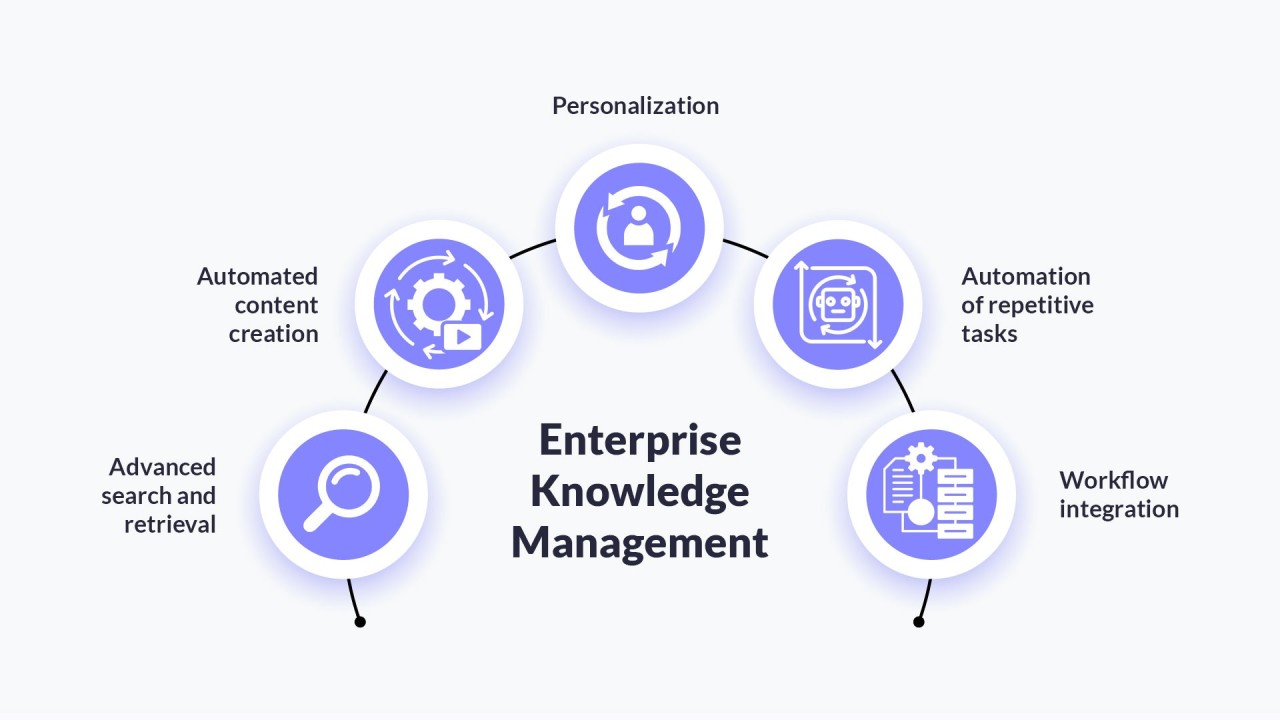
This category is also easier to get wrong than it looks. Some tools are true ask-your-data or docs-trained answer systems. Some are support agents that can also answer internal questions. Some are personal knowledge assistants. And some are only edge-case fits for a specific team, not general internal knowledge search at all.
That is why this page keeps the shortlist honest. My AskAI is the strongest direct fit here. Dante AI is a stronger fit when internal knowledge search overlaps with support or front-door Q&A. Saner AI makes more sense when the problem is personal or manager-side note retrieval. Jeeva AI is an edge case for revenue teams, not a general knowledge-search winner.
If you want the broader category map first, open the AI Productivity hub. If you want the wider shortlist, go to Best AI Productivity Tools. And if you want the boundary between productivity tools and chatbot-style tools clarified first, read AI Productivity Tools vs AI Chatbots.
Quick picks
- Best overall for internal knowledge answers: My AskAI
- Best when knowledge search overlaps with support and handoff: Dante AI
- Best for personal or manager-side note search: Saner AI
- Best edge-case pick for sales and GTM teams: Jeeva AI
The short version: choose My AskAI when you want a real docs-trained answer layer, choose Dante AI when the same knowledge also needs to power customer-facing support and escalation, choose Saner AI when the knowledge problem is closer to personal notes and work context, and only choose Jeeva AI when the “internal knowledge” you need is really sales context, follow-up, and pipeline memory.

What internal knowledge search tools are actually for
Internal knowledge search sounds like a search problem. In practice, it is usually a workflow problem built from three separate failures:
- Knowledge is scattered. Docs, tickets, internal pages, notes, and old answers live in different places.
- Knowledge is interruptive. People ask each other because search feels slower than Slack.
- Knowledge is fragile. The answer exists, but only the person closest to the issue knows where it is.
This is why ordinary search often feels insufficient. People do not just want links. They want an answer grounded in the right internal material, with enough context to move on without another round of asking around.
The better question is not “can this tool search?” The better question is “can this tool reduce repeated lookup friction without making knowledge management even heavier?” That is where this category starts to matter.
How to choose an internal knowledge search tool
Use this faster framework before you choose:
- You want a direct ask-your-docs answer layer for team and support knowledge: start with My AskAI.
- You want the same knowledge base to answer customers and hand off cleanly to humans: start with Dante AI.
- You want personal note, email, and context search more than a team-wide answer system: start with Saner AI.
- You want revenue-side context retrieval for lead follow-up, call prep, and sales memory: start with Jeeva AI.
This sounds narrower than a generic “AI knowledge tools” article. Good. It should. A lot of buyers make the category mistake first. They buy a support chatbot when they really need internal knowledge retrieval. Or they buy a personal note assistant when they actually need a team-facing answer layer. Or they buy a sales agent and expect it to behave like a company wiki with answers.
The better question is not “which one has the best AI?” It is “who needs the answer, from what content, and in what workflow?” That usually makes the shortlist much smaller.
Best AI tools for internal knowledge search by fit
These are the mapped tools I would shortlist first, with the fit kept honest rather than forced.
1) My AskAI — best overall for internal knowledge answers
My AskAI is the clearest fit on this page because it is built around answering questions from company knowledge. You can feed it help docs, internal content, and customer data, and it can work inside existing helpdesks or chat tools rather than asking you to build a separate public-facing bot from scratch.
Best for: teams that want fast answers from internal docs, support content, and company knowledge without sending everyone back into manual search.
Why it stands out: this is one of the few mapped tools here with a genuinely direct internal-knowledge angle. The private/internal mode and the copilot-style workflow make it more useful than a simple external FAQ bot if the real goal is helping teams and agents retrieve answers from internal material.
Who should skip it: people looking for a personal note assistant rather than a team-facing knowledge answer layer. My AskAI is strongest when the knowledge base already exists or can be gathered into something queryable.
This is also where a lot of “AI search” tools feel weaker by comparison. They may chat well, but they are less grounded in company knowledge. My AskAI makes more sense when the question is not generic reasoning, but “what does our actual content say about this?”
2) Dante AI — best when internal knowledge search overlaps with support workflows
Dante AI is a little different. It is positioned more clearly as an AI customer service and conversation-handling tool than as a pure internal knowledge search system. But it earns a place here because it can be trained on docs, website content, and files, and it supports human escalation with full conversation context when the AI cannot finish the job.
Best for: teams that want one knowledge-trained layer to support both customer-facing answers and internal handoff or support workflows.
Why it stands out: it is useful when knowledge retrieval is not isolated from support operations. If the same company docs need to answer customers, help support agents, and escalate smoothly to humans, Dante AI becomes more interesting than a pure internal search layer.
Who should skip it: teams looking for a more internal-first, ask-your-data style answer layer. Dante is stronger when the knowledge job overlaps with support, lead capture, bookings, and conversation flow.
The honest framing here matters. Dante is a good tool. It just is not the most internal-knowledge-first tool in the group. Its fit is strongest when internal and external answers are part of the same operational surface.

3) Saner AI — best for personal or manager-side knowledge search
Saner AI is the most different “yes, but” pick in this article. It is not really a team-wide internal knowledge search platform in the same way My AskAI is. It is more of a personal AI assistant for notes, email, and calendar that lets you chat to search your own work context. That makes it a better fit when the issue is personal retrieval friction rather than company-wide answer delivery.
Best for: founders, managers, operators, and note-heavy users who want faster search across their own notes, tasks, email, and context.
Why it stands out: it solves an adjacent but very real form of internal knowledge search: “what did I note, decide, or capture about this?” Sometimes that is more valuable than a formal company knowledge base, especially in smaller teams or founder-led workflows.
Who should skip it: teams looking for a shared answer layer across company docs and support content. Saner is better as a personal knowledge assistant than as a central internal search system.
This is the kind of tool people often underestimate because it is less dramatic. But if the knowledge bottleneck lives in one person’s notes, tasks, and email context, Saner can be the cleaner fix.
4) Jeeva AI — best edge-case pick for revenue teams, not general knowledge search
Jeeva AI needs the most careful framing here. It is not a general internal knowledge search winner. Its current positioning is much closer to an agentic AI sales assistant that helps with sorting emails, prepping calls, follow-ups, enrichment, and outreach. That means it only belongs in this article if your “internal knowledge search” need is really sales-side context retrieval.
Best for: revenue teams that need internal prospect context, outreach memory, call prep support, and faster follow-up based on sales workflows.
Why it stands out: it can make internal knowledge more usable for GTM teams specifically. If the knowledge you care about is lead data, prior contact history, outreach context, and pipeline movement, Jeeva is a real fit.
Who should skip it: almost everyone looking for a company-wide ask-your-data tool. Jeeva is the right edge-case pick only when the knowledge problem is specifically sales and pipeline knowledge, not internal documentation broadly.
I would rather say that directly than pretend it belongs in the same lane as My AskAI. It does not. But for revenue teams, “internal knowledge search” often looks more like “what do we already know about this account, lead, or sequence?” That is where Jeeva starts to make sense.
When internal knowledge search tools actually save time
These tools save time when they remove one repeated retrieval burden:
- asking coworkers the same internal question over and over,
- digging through docs, tickets, and old notes to reconstruct one answer,
- interrupting support or ops teams because the answer exists but is not easy to surface,
- redoing revenue-side research because account context is not visible enough.
What usually fails is the opposite pattern. Teams buy a flashy chatbot when the real need is an internal answer layer. Or they buy a personal note assistant when the real need is shared retrieval across a support team. Or they buy a sales agent and expect it to behave like a company-wide knowledge base.
The anti-hype version is simple: these tools save time when they help people stop searching manually for answers they already documented somewhere. They do not save time just because they can chat.
Who should skip these tools, or at least buy more slowly
- Skip or slow down if your team still has not organized its knowledge enough for any tool to ground answers well.
- Skip or slow down if the real issue is not retrieval, but unclear process or missing documentation.
- Skip or slow down if you want one tool to act as internal wiki, external chatbot, personal notes app, and GTM copilot equally well.
- Skip or slow down if your workflow is still simple enough that asking one person is faster than setting up a real answer layer.
I would not treat that as a reason to avoid the category. I would treat it as a reminder that knowledge tools only work as well as the knowledge they can access. The retrieval layer matters. The underlying content still matters more.
Practical limitations to keep in mind
- My AskAI is strongest when knowledge already exists. It does not magically replace missing documentation.
- Dante AI is not purely internal-first. Its value is higher when support workflows and knowledge retrieval overlap.
- Saner AI is more personal than shared. It improves personal context search better than company-wide internal search.
- Jeeva AI is specialized. It only belongs here when the knowledge problem is specifically revenue-side context, not general company knowledge.
The better question is not “which one uses AI best?” It is “which one helps the right people get the right internal answer with the least extra friction?” That is where the buying decision gets much cleaner.
Fit summary: where I would start
- Start with My AskAI if you want the strongest direct answer layer for internal knowledge.
- Start with Dante AI if support and knowledge search need to work together.
- Start with Saner AI if the knowledge problem is mostly personal notes, tasks, and context retrieval.
- Start with Jeeva AI only if internal knowledge search really means sales context and revenue memory.
That is the honest shape of the decision. There is no single universal winner here. There is only the best fit for the kind of internal answer problem you repeat most often.
Best next step
If you want a direct internal answer layer, My AskAI is the strongest first click. If your knowledge search overlaps with support conversations and escalation, Dante AI is the better lane. If the question is really team-side context and not just your own notes, the next useful follow-up is Best AI Productivity Tools for Teams.
FAQ
What is the best AI tool for internal knowledge search?
My AskAI is the clearest overall fit in this mapped group because it is built around answering questions from company knowledge, internal content, and help docs rather than acting only as a generic chatbot or personal notes app.
Is Dante AI an internal knowledge search tool?
Partly, but not as a pure internal-first product. Dante AI is a better fit when the same knowledge needs to support customer answers, support operations, and human handoff rather than just internal lookup alone.
Is Saner AI a team knowledge base?
Not really in the same sense as My AskAI. Saner AI is more useful as a personal or manager-side knowledge assistant for notes, emails, and work context rather than as a shared company-wide answer layer.
Why is Jeeva AI included in this list?
Only as an edge-case fit. Jeeva AI is much closer to a sales and GTM assistant than a general internal knowledge search product, but it can still help revenue teams retrieve account, outreach, and pipeline context faster.
When do internal knowledge search tools actually save time?
They save time when people keep asking the same internal questions, digging through the same sources, or interrupting teammates for answers that already exist somewhere in company content.
Should I choose a personal knowledge assistant or a shared answer layer?
Choose a personal knowledge assistant if the retrieval problem mostly lives in your own notes and work context. Choose a shared answer layer if the same questions need to be answered across a team, support operation, or company knowledge base.