
Frase vs Outranking: Which One Is Better for Your SEO Workflow?
Frase and Outranking often get compared because they both sit in the same broad zone: AI-assisted SEO content workflows. But once you actually look closer, they do not feel identical at all. They solve overlapping problems, yes, but they pull your workflow in slightly different directions.
That is why I do not think the most useful question is “which one is better?” The better question is: which one fits the way you actually plan, write, optimize, and improve content?
This article is built around that question, because that is what usually matters once the demo excitement fades.
Table of Contents
Quick answer
If you want the shortest useful answer, Frase is the better fit if you want a broader all-in-one workflow that feels closer to research, writing, optimization, and modern AI-search-aware content work in one place. Outranking is the better fit if you prefer a more structured brief-to-draft-to-optimization workflow and want the process to feel more deliberate and planning-driven.
If I had to say it even more simply: Frase feels broader and more flexible, while Outranking feels more process-driven and tightly structured.

The core difference between Frase and Outranking
The clearest difference is not that one does SEO and the other does not. Both do. The difference is how they frame the work.
Frase feels like a broader content intelligence and optimization platform. It is trying to hold together research, content scoring, writing assistance, optimization, AI search awareness, and monitoring in one workflow. That makes the product feel more expansive and a little more “platform-like.”
Outranking feels more like a structured SEO writing system built around briefs, first drafts, optimization, clustering, and planned content creation. That makes the product feel a little more tightly procedural, which can be a strength if your team actually likes clear process.
So the difference is less “tool A has feature X and tool B doesn’t,” and more “tool A feels like a broader operating layer, while tool B feels like a tighter content production framework.”
Frase vs Outranking at a glance
| Category | Frase | Outranking |
|---|---|---|
| Overall feel | Broader SEO + GEO platform feel | More structured content workflow feel |
| Best for | Teams wanting research, writing, optimization, and visibility in one place | Teams wanting briefs, first drafts, and tighter process |
| Workflow style | Flexible and platform-like | Guided and process-driven |
| Research support | Strong | Strong |
| Writing workflow | Broad and hybrid | More tightly tied to briefs and structured execution |
| Optimization layer | Broad content optimization with AI-search-aware direction | Strong optimization within a clearer content production pipeline |
| Best buyer mindset | “I want one broader system” | “I want a cleaner workflow process” |
Where Frase feels stronger
1) Frase feels broader and more modern in scope
Frase is easier to recommend when you do not want to think too narrowly about “content writing” alone. It feels like a better fit for teams who want research, writing, optimization, and newer AI-search-aware workflows to live in one place instead of across separate tools.
That broader scope is probably the most obvious reason someone would choose Frase over Outranking. If your team wants a tool that feels like it understands the bigger SEO content ecosystem, Frase is more naturally appealing.
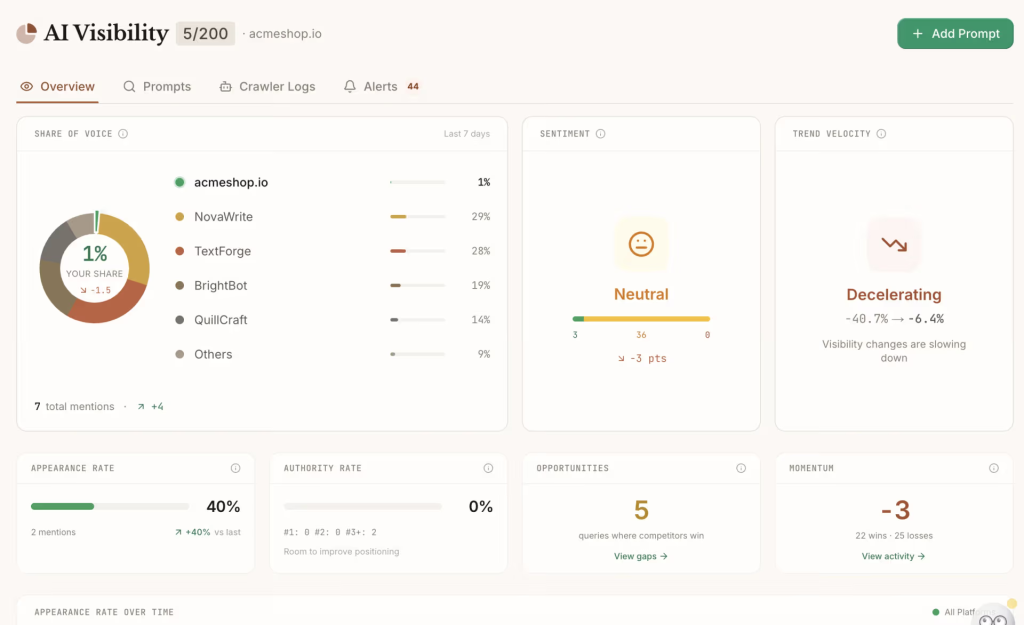
2) Frase makes sense for hybrid SEO + GEO thinking
If your content strategy now includes Google plus AI-driven answer visibility, Frase feels more aligned with that language and that direction. That does not automatically mean it is better for everyone. It just means it is easier to justify if your workflow already includes AI visibility, citation readiness, or broader AI-search concerns.
3) Frase is easier to justify as a central content platform
For some buyers, the tool that wins is not the one with the most elegant process. It is the one that can sit in the middle of the team’s workflow and hold more jobs together. Frase feels stronger on that axis. It is easier to imagine it becoming a broader operating layer for content teams than a narrower point solution.
Where Outranking feels stronger
1) Outranking feels more structured from brief to draft
Outranking makes more sense when your team actually wants a content process that feels guided and repeatable. It is easier to imagine a team using it to enforce a consistent path from strategy to brief to first draft to optimization. That makes it attractive if “workflow discipline” is one of the main things you are trying to improve.
2) Outranking is easier to recommend for process-minded teams
Some teams do not want a broader platform feeling. They want a clearer production system. Outranking is often the better answer for that kind of buyer because it feels more like a content engine with defined stages rather than a wider AI SEO operating layer.
3) Outranking fits buyers who want less breadth and more process clarity
This is probably the main reason I would choose Outranking over Frase. Not because it necessarily does “more,” but because it may do the exact shape of work you need in a way that feels easier to systematize. If your team values repeatable briefs, first drafts, and structured optimization over broader platform sprawl, Outranking can feel like the cleaner fit.
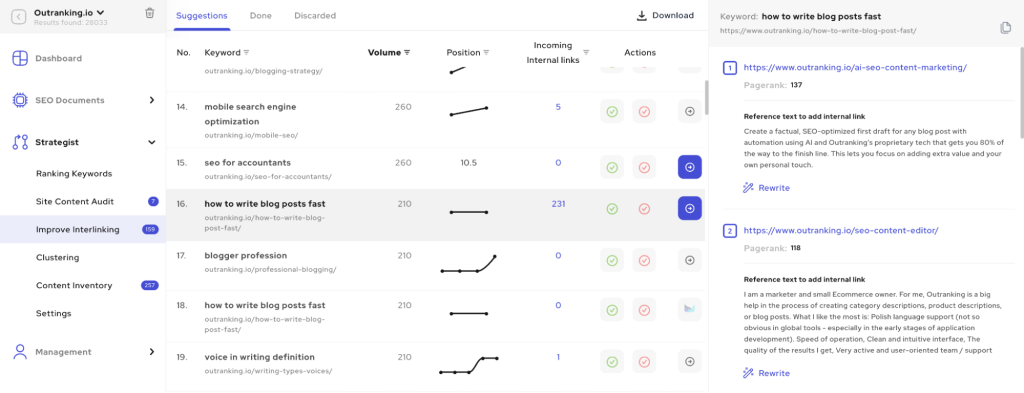
Outranking becomes more attractive when the team values guided briefs, first drafts, and a more process-driven content workflow.
Where the decision usually becomes obvious
The decision tends to get easier when you ask one simple question: are you buying a broader platform or a tighter process?
Choose Frase if:
- you want one broader AI SEO system
- your team cares about research, writing, optimization, and AI-search-aware strategy together
- you want the tool to feel more like a content platform than a step-by-step production engine
Choose Outranking if:
- you care more about workflow discipline
- you want briefs and drafts tied tightly together
- you prefer a more structured, planning-driven writing process
Who should choose what?
Solo site owners: Frase is usually the easier recommendation if you want one tool that can cover more of the content lifecycle without needing too many supporting products.
Agencies and structured content teams: Outranking often becomes more attractive when consistency, briefs, and repeatable process matter as much as raw output.
AI-search-aware teams: Frase is easier to justify if your workflow already includes GEO, AI citations, or broader AI visibility concerns.
Process-first operators: Outranking makes more sense if you want your content team to follow a tighter production path from idea to optimized draft.
Both tools can work for overlapping users. The fit becomes clearer once you are honest about whether your team needs more breadth or more structure.
What I would not base the decision on
- which homepage sounds more futuristic
- which tool has the longer feature list
- which one uses more AI buzzwords
- which demo felt flashy for five minutes
I would base the decision on whether your team needs a broader SEO content platform or a more tightly guided production workflow. That difference will matter long after the first demo call.
Final verdict
If you want the broader all-rounder, I would lean toward Frase. It is easier to recommend when the goal is to bring research, writing, optimization, and more modern AI-search-aware workflows into one place.
If you want the clearer process machine, I would lean toward Outranking. It feels better suited to teams that want structured briefs, guided drafts, and a tighter workflow from planning to optimization.
That is why I do not think this comparison has one universal winner. The better pick depends on whether you want a broader platform or a more disciplined process. That is the real difference.
After this page, the best next reads are Best AI Content Optimization Tools, Best AI SEO Writing Tools, and Rankability vs PageOptimizer Pro.
FAQ about Frase vs Outranking
Is Frase better than Outranking?
Not universally. Frase is usually the stronger choice if you want a broader SEO content platform, while Outranking is often the stronger choice if you want a more structured content workflow. Which one is better for SEO briefs?
Outranking is usually easier to recommend if your workflow depends heavily on structured briefs and turning those briefs into repeatable first drafts. Which one is better for broader AI SEO workflows?
Frase is the more natural fit if your workflow includes research, optimization, and AI-search-aware strategy in one broader system. Is Frase more beginner-friendly?
It can feel easier for solo operators or smaller teams who want one broader platform instead of a more tightly procedural content system. Who should choose Outranking over Frase?
Teams that value structured briefs, guided content production, and a more process-driven workflow will often find Outranking the cleaner fit.
PromoCodeRadar helps users find cleaner coupon codes, official deals, annual billing savings, free trials, and better ways to save on software, AI tools, and online services.
If you found a broken code or outdated listing, contact us at contact@promocoderadar.com.